A furnace heat exchanger separates combustion gases, including carbon monoxide, from the air your family breathes indoors. Working carbon monoxide detectors and annual professional inspections are important protections, and when a crack is confirmed in an older furnace, replacement is usually the practical path. The goal is not fear-based sales pressure. It is a clear diagnosis, safe next steps, and honest information you can use.
What a Heat Exchanger Does (in Plain English)
In a gas furnace, burners create heat by burning fuel. That process also creates combustion gases, which must stay contained and be vented safely outside. The heat exchanger is the metal barrier that keeps those gases separate from the household air moving through your ductwork.
As the furnace runs, the exchanger warms up and expands. When the heating cycle ends, it cools and contracts. That movement is normal, but it happens thousands of times over the life of the equipment. Eventually, age, repeated temperature changes, corrosion, or an overheating condition can contribute to cracks or holes.
Restricted airflow is one issue worth taking seriously. A severely clogged filter, blocked return or supply vents, duct problems, or a blower issue can cause a furnace to run hotter than intended. That does not mean every airflow problem has damaged the heat exchanger, but it is one reason routine furnace service in Bel Air matters.
Smart Energy Systems has served local homeowners since 1988. As a family-owned HVAC contractor in Bel Air, Maryland, our approach is to explain what we find, show you the relevant evidence when possible, and recommend only the next step that makes sense for your system.
Warning Signs Worth Paying Attention To
A cracked heat exchanger is not something a homeowner can reliably diagnose by sight. Still, a few changes should prompt a professional inspection, especially if they occur while your furnace is operating.
- Yellow or flickering burner flames: Natural gas furnace flames are typically mostly blue. Yellow, wavering, or irregular flames can point to a combustion or burner-related issue that deserves attention.
- Soot or scorch marks: Dark residue around the furnace, burners, or venting components may indicate incomplete combustion or another concern.
- Persistent unusual odors: A recurring burning, chemical, or exhaust-like odor should not be ignored.
- Carbon monoxide detector alerts: Treat any alarm as an emergency, whether or not you can see a furnace problem.
- Physical symptoms that improve outdoors: Headaches, dizziness, nausea, weakness, or confusion that occur inside and ease after leaving the home require prompt attention. These symptoms can have many causes, so do not try to self-diagnose. Leave the area and seek emergency guidance.
There is one common exception worth distinguishing: a light dusty smell when the furnace first starts after a long period off can be normal. Dust on heating components may burn away after a short time. If the odor persists, becomes stronger, or is accompanied by soot, flame changes, or an alarm, schedule service instead of assuming it will resolve on its own.
What to Do If Your CO Detector Goes Off
If a carbon monoxide detector alarms, take it seriously. Do not silence the alarm and search for the source while staying inside.
- Get everyone, including pets, out of the home immediately.
- Call 911 once you are outside and safely away from the building.
- Do not re-enter until emergency responders say it is safe to do so.
- After clearance, arrange for a qualified HVAC professional to inspect fuel-burning equipment before operating it again.
For general protection, install carbon monoxide detectors on every level of the home and near sleeping areas. Test them monthly, follow the manufacturer’s instructions, and replace each unit according to its stated replacement date. Detectors are an important layer of protection, but they do not replace annual furnace inspections.
For a furnace problem that needs prompt attention after the home has been cleared, Smart Energy Systems provides emergency HVAC repair in Bel Air
and throughout the surrounding service area.
How Technicians Check for a Cracked Heat Exchanger
A responsible diagnosis should involve more than a quick look and a replacement quote. Smart Energy Systems sends NATE-certified technicians who use a step-by-step process based on the furnace, the symptoms reported, and the conditions found during service.
The inspection often begins with a visual evaluation of accessible parts of the heat exchanger, burner compartment, venting, wiring, and surrounding components. Some cracks are difficult to see because of where they develop, so the technician also evaluates burner behavior. Changes in flame pattern when the blower comes on can be one useful clue, although it is not a diagnosis on its own.
Combustion testing can provide additional information about how the furnace is burning fuel and venting gases. Technicians may also check airflow, filter condition, temperature rise, safety controls, and other operating measurements. Together, these findings help identify whether there is a confirmed exchanger failure, a separate combustion concern, or an airflow issue that needs correction.
A yearly fall furnace tune-up
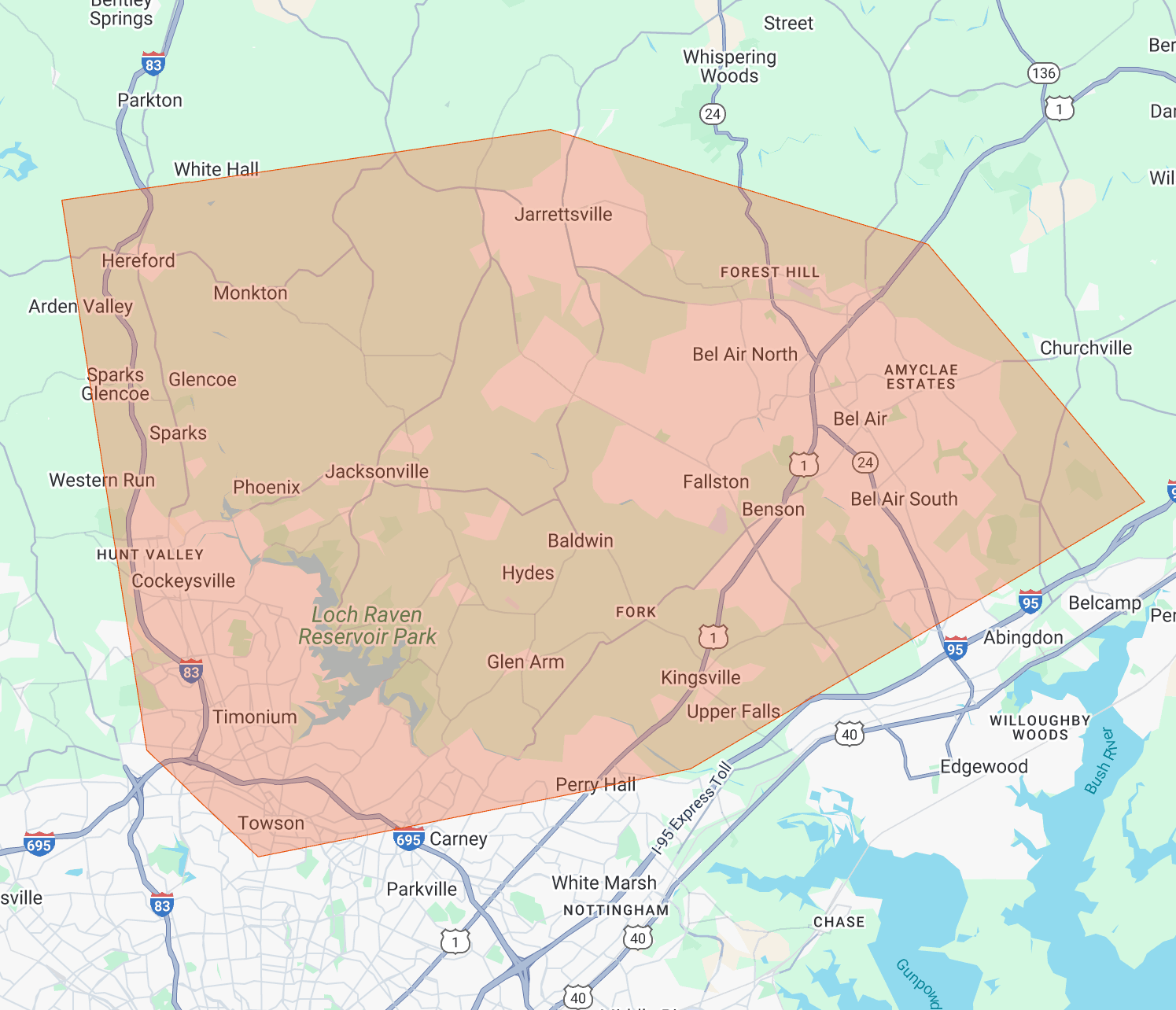
gives homeowners in Bel Air, Forest Hill, Fallston, and Jacksonville an opportunity to address small heating concerns before they become inconvenient or unsafe. It is preventative maintenance, not a guarantee that no component will ever fail, but it is a sensible part of caring for a gas furnace.
Repair or Replace?
When a heat exchanger is truly cracked, the answer is usually not a simple repair. Heat exchangers are integral to the furnace, and replacing one can involve substantial labor. Depending on the furnace design, cost, condition, and availability of parts, installing a new exchanger may not be the best value compared with replacing the furnace.
Age is a major consideration. A furnace that is 15 years old or older is often evaluated carefully because other components may also be nearing the end of their useful life. That does not automatically mean replacement is required. A newer furnace may qualify for a manufacturer warranty exception, making a heat-exchanger replacement more reasonable. System condition, warranty coverage, efficiency, repair history, and your plans for the home all matter.
Smart Energy Systems does not use a confirmed safety issue as an excuse to upsell. We will explain the diagnosis, review realistic options, and help you weigh short-term cost against long-term reliability. When replacement is the right choice, most furnace installations are completed in one day. Learn more about furnace replacement in Bel Air, MD
and what a planned installation can involve.
For qualified customers, 0% APR financing through Wisetack may help make an unexpected replacement more manageable. Review available HVAC financing options
before making a decision, including terms and qualification requirements.
Frequently Asked Questions
Can a cracked heat exchanger cause carbon monoxide poisoning?
It can create a potential pathway for combustion gases, including carbon monoxide, to mix with household air. The actual risk depends on the furnace, crack location, airflow, venting, and other conditions. Because carbon monoxide is odorless and can be dangerous, a suspected or confirmed crack requires professional evaluation and should not be minimized.
How often should a furnace be inspected for safety?
Have a qualified technician inspect your gas furnace at least once a year, ideally before regular heating use. Annual maintenance helps evaluate combustion, airflow, safety controls, and general condition. Smart Energy Systems is licensed as Maryland HVAC Contractor License #10955 and serves Harford, Baltimore, and Cecil Counties with practical heating and cooling support.
Can I keep running my furnace if the heat exchanger is cracked?
No. If a qualified technician confirms a cracked heat exchanger, do not continue operating the furnace. Follow the technician’s safety guidance and arrange for the appropriate repair or replacement.
A furnace concern does not have to become a high-pressure decision. Smart Energy Systems can provide a clear inspection, factual answers, and options that fit your home in Bel Air and nearby communities. For peace of mind, call (410) 420-9700 or schedule an inspection online.