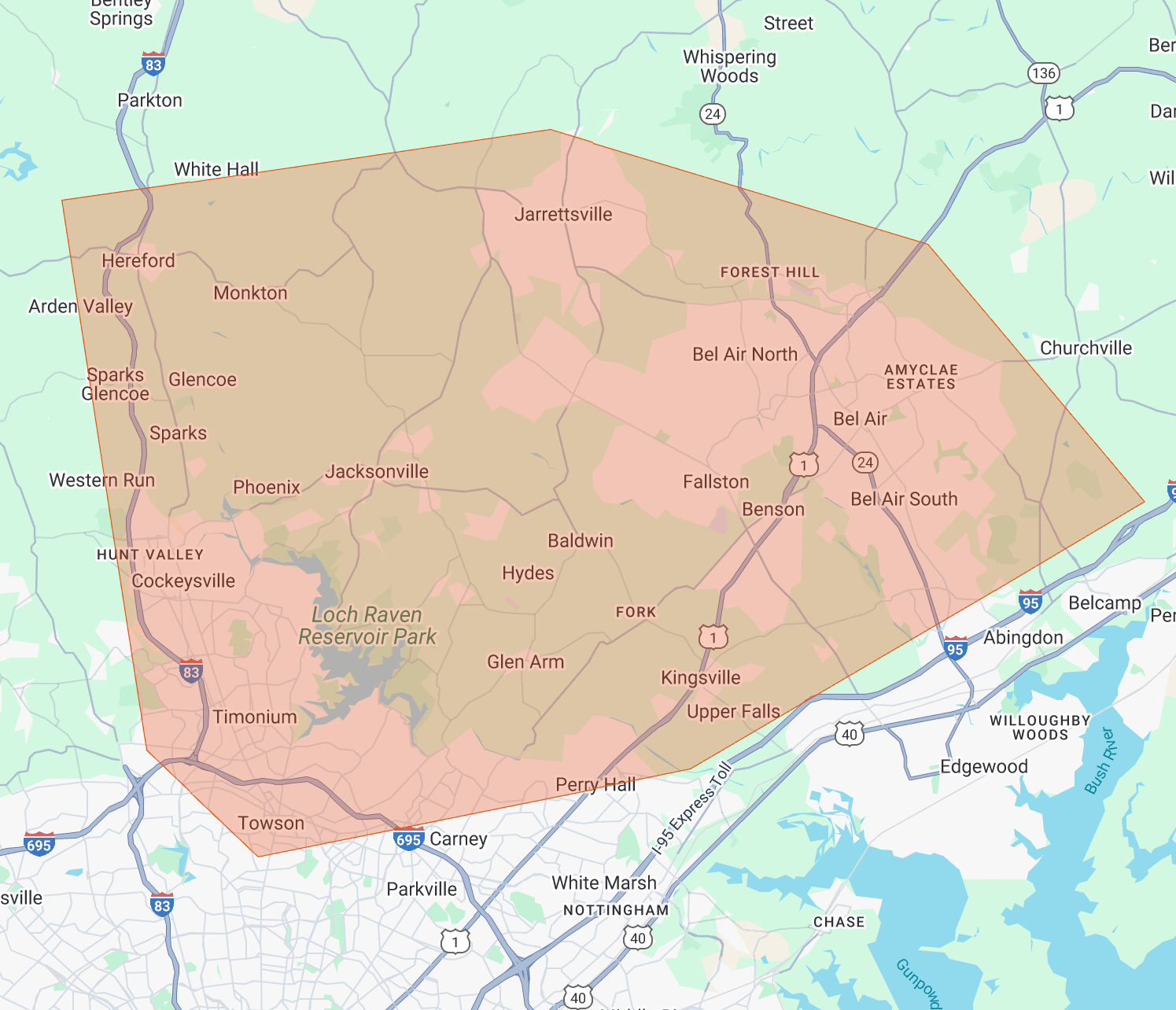
If your air conditioner suddenly stopped working during a hot Maryland summer day, there’s a good chance the problem wasn’t electrical or mechanical at all — it might have been a clogged AC drain line. This simple issue is one of the most common reasons homeowners in Bel Air, Timonium, Phoenix, Jacksonville, Jarrettsville, and surrounding areas find their system unexpectedly shutting down. The good news: it’s preventable, and once you understand what the drain line does, it’s much easier to avoid mid-summer breakdowns.
This guide explains why your AC shuts off when the drain line clogs, what a drain line actually is, the signs of a blockage, and when to call a trusted HVAC company like Smart Energy Systems for help.
Why Your AC Turns Off in the Summer
When your air conditioner stops working during peak heat, it’s alarming — especially if the thermostat still has power but the system won’t run. Many homeowners assume the refrigerant has leaked, a part has failed, or the unit has overheated. In reality, one of the most frequent causes is a safety feature kicking in because water isn’t draining properly.
Your AC pulls moisture out of the air as it cools your home. That moisture has to go somewhere, and if the drain system clogs, the AC will automatically shut off to prevent water damage. This safety switch protects your home — but it also leaves you unexpectedly without cooling.
What an AC Drain Line Does
Your AC’s evaporator coil sits inside the indoor unit (usually in an attic, crawlspace, or utility closet). As warm air passes over that coil, humidity condenses into water — just like a cold drink sweating on a summer day.
Here’s where the drain system comes in:
- Drip pan: Catches the water as it forms.
- Drain line: A small PVC pipe that carries water away from the pan and out of your home.
- Float or safety switch: Monitors water levels and turns the AC off if water starts to back up.
The drain line is absolutely essential. If it stops flowing, water backs up, triggers the safety switch, and shuts your system down.
What Causes a Drain Line to Clog?
Your drain line is dark, damp, and constantly exposed to moisture — the perfect environment for buildup.
Common causes of clogs include:
- Algae and mold growth inside the drain pipe
- Dirt, dust, and debris from your home’s air that collect in the line
- Improperly installed drain lines with poor pitch or sagging sections
- Insects or small outdoor debris entering the termination point
- Lack of routine HVAC maintenance
Because this buildup happens slowly, most homeowners don’t notice the problem until the system shuts down on a hot day.
Signs Your AC Drain Line Is Clogged
A full shutdown is the biggest clue, but there are early warning signs:
- AC won’t turn on even though the thermostat has power
- Water dripping around the indoor unit
- Damp or musty smells near the air handler
- Visible water in or under the drip pan
- Water stains on ceilings (especially with attic units)
- Reduced cooling performance before a shutdown
If you notice these symptoms, it’s best to act quickly — water damage can get expensive fast.
Why Your AC Has a Safety Switch
Modern HVAC systems include a float or wet switch designed to protect your home. When the drain pan fills too high, the switch cuts power to the AC.
Without that switch, water could overflow and cause:
- Ceiling damage
- Mold growth
- Ruined insulation or drywall
- Damage to electrical components
Can You Unclog a Drain Line Yourself?
Some minor clogs can be cleared with a wet/dry vacuum at the end of the drain line outside your home. However, homeowners often struggle because buildup is deeper in the line or the clog has caused the float switch to malfunction.
Call a professional if:
- The AC won’t turn back on after clearing the pipe
- Water has overflowed or reached ceilings/walls
- You hear gurgling noises from the unit
- The drain keeps clogging repeatedly
Smart Energy Systems can safely unclog the line, flush the system, and ensure everything is draining correctly.
Can a Clogged Drain Line Cause Additional AC Problems?
Yes — and this is why homeowners shouldn’t ignore it. A drain blockage can cause:
- Water damage to the air handler
- Rust or corrosion on parts
- Mold growth inside the system
- Reduced air quality in your home
- Electrical issues if water reaches wiring
In severe cases, the AC may short-cycle or stop cooling long before the safety switch shuts it off.
How Routine Maintenance Prevents Drain Line Clogs
Preventative HVAC maintenance is the number one way to avoid clogged drain lines and unexpected summer breakdowns.
During an HVAC tune-up, technicians will:
- Clean and flush the drain line
- Check the drain pan for rust or cracks
- Inspect and test the float switch
- Check for drainage issues outside the home
- Clean the evaporator coil
For families in Bel Air, Timonium, Phoenix, Jacksonville, and Jarrettsville, our HVAC service plans offer reliable year‑round protection — especially helpful during high‑humidity Maryland summers.
When to Call an HVAC Professional
Call Smart Energy Systems if:
- Your AC has shut off and won’t restart
- You see standing water around the indoor unit
- Your drain line keeps clogging repeatedly
- Your system struggles to cool your home
- You haven’t had your AC maintained in over a year
Our family‑owned team has been providing trusted cooling services in Harford and northern Baltimore counties since 1988. Whether you need AC repair, maintenance, or a full inspection, we offer honest advice, reliable service, and flexible options — including HVAC financing if you’re facing a larger system repair or replacement.
FAQ
Why does my AC shut off when it’s hot outside?
AC systems must remove humidity from the air. If the water can’t drain properly, the safety switch shuts off your system to prevent water damage — especially during high‑humidity Maryland summers.
What exactly is an AC drain line?
The drain line is a small PVC pipe connected to your indoor air handler. Its job is to carry moisture away from your AC system so it can run safely and efficiently.
How often should the drain line be cleaned?
At least once a year as part of a professional HVAC tune‑up. Homes with high humidity or pets may need more frequent maintenance.
Can I prevent clogged drain lines?
Yes. Regular maintenance, proper filtration, and ensuring your line has a good outlet point outdoors all help prevent buildup.
Is a clogged drain line an emergency?
It can be. If water is overflowing or your AC won’t turn back on, call Smart Energy Systems for fast service — including after‑hours emergency HVAC repair when needed.
For reliable air conditioning service in Bel Air, Harford County, and surrounding areas, Smart Energy Systems is here to help keep your home cool and comfortable all summer long.